How a General Dentist Can Help with Common Orthodontic Bite Problems
Many people think that a general dentist cannot help with bite problems. But the truth is that many general dentists can provide some assistance with common bite issues. Many of the operations that orthodontists undertake are also performed by general dentists, although their reasons for doing so may be different.
Common bite problems
People may instantly recognize some bite problems, such as overbite and underbite, that are very common. Others are self-explanatory, like crowding or spacing issues. However, there are a few bite problems that are lesser-known.
Openbite
If a person has an openbite, their top and bottom teeth do not touch when they clench their teeth together. There is a noticeable gap in between the top and bottom rows of teeth.
Overjet
This is different from an overbite. With an overjet, the top teeth jut out at an angle toward the lips.
Crossbite
A crossbite is a more severe underbite. Instead of the bottom teeth just slightly covering the top teeth, the top teeth can fit completely inside of the bottom teeth.
Orthodontics at the general dentist
Regardless of what type of orthodontic bite problem a person may have, a general dentist can (at the very least) address some of the issues.
Tooth extractions
The first way that general dentists provide orthodontic care is through tooth extraction. One of the primary ways in which orthodontists correct for overcrowded mouths is through the removal of teeth in a crowded area. Thankfully, a general dentist is quite capable of performing this procedure, too. Tooth extractions are often a part of adolescent dental care due to the emergence of wisdom teeth and the replacement of baby teeth with adult teeth.
Tooth extractions work by making space for teeth in the mouth to spread evenly over the gums. Tooth extraction can correct misaligned teeth, which can shove each other into weird shapes and angles if there is not enough space for all of them.
Provide braces or aligners
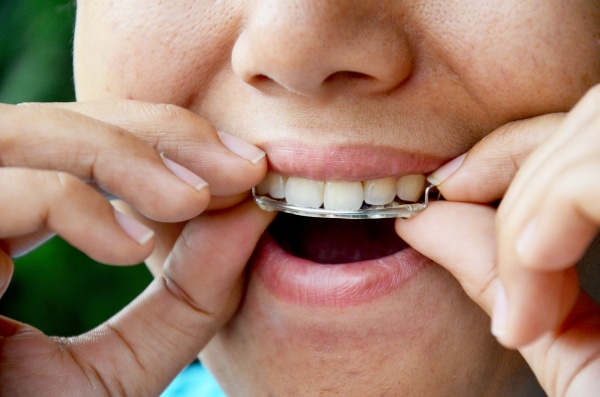
One of the primary duties of an orthodontist is to correct teeth alignment problems, but they are not the only ones capable of prescribing aligners such as Invisalign. General dentists can also prescribe these types of treatments and in some cases may insist on providing orthodontic care to their patients if they believe that they are not receiving the proper treatment from a specialized orthodontist.
Braces are more commonly applied by orthodontists, but general dentists can provide braces and the continual care required by the gear. Braces and aligners work by passively applying pressure on a patient’s teeth. Over time, the teeth are pulled into the correct alignment, growing or remaining there after a set amount of time. Braces are usually applied in childhood, once adult teeth have come in if they are deemed necessary, although adult braces are becoming increasingly common as well.
Preventing Tooth Decay
Finally, general dentists prevent unnecessary tooth extractions. If teeth are pulled from an already-aligned mouth, there might be too much space for the patient’s remaining teeth; this could shift everything out of alignment again.
Therefore, the high-quality dental care and hygiene that general dentists promote and ensure make it harder for a patient's teeth to rot or become so damaged that they will need to be removed. In a sense, by doing their regular job, general dentists keep a patient from needing extensive orthodontic work because of the preventative nature of the care.
Conclusion
General dentists are not the specialists that orthodontists are, but they are more than capable of providing excellent care for common orthodontic problems thanks to their shared training. Plus, visiting a general dentist may be cheaper than having an orthodontist address the issues.
Request an appointment here: https://brimhalldentalgroup.com or call Brimhall Dental Group at (661) 249-1122 for an appointment in our Bakersfield office.
Check out what others are saying about our services on Yelp: Read our Yelp reviews.
Recent Posts
Dental crowns are a widely used tooth restoration solution in general dentistry. However, it is common to have questions about crowns if it is your first time getting one. Exploring the answers to these questions is the first step in helping you prepare for an upcoming dental crown appointment.Dental crowns are caps that fully encase…
Both partial dentures and dental implants can replace missing teeth, but the right option depends on oral health, comfort goals, budget, and long-term treatment needs. However, it is important not to delay the decision, as missing teeth can affect chewing, speech, bite balance, and the appearance of the smile. In a single appointment, we can…
A dental crown's longevity depends on material strength, bonding quality, and diligent home care, yet even a precisely fitted restoration eventually reveals clues of fatigue. Recognizing subtle warnings in the earliest stage prevents painful complications and safeguards the surrounding oral structure. Note that eventually, all dental crowns will need to be replaced. However, reviewing the…
When restoring front teeth that are chipped, cracked, or worn, dental crowns and veneers are two of the most common options. Dental crowns offer full coverage and structural support, while veneers are a more conservative solution designed for cosmetic enhancement. Choosing between the two depends on the severity of the damage, aesthetic goals, and long-term…