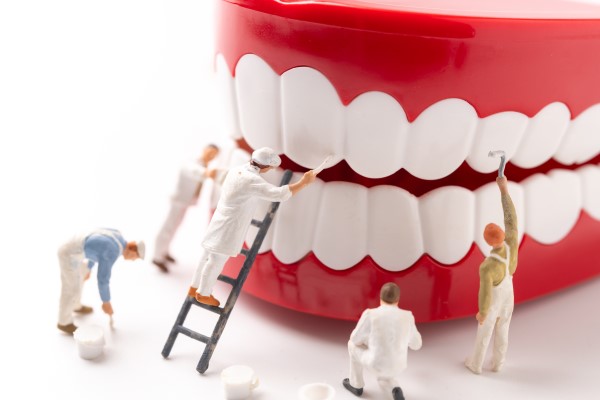
A denture repair should be your top priority when your denture breaks or becomes damaged. This prosthetic device fills out all the empty spaces in your mouth. It is crucial to care for your denture since the missing teeth can compromise your eating habits, speech, and appearance. This dental device is durable enough to handle typical tasks like biting and chewing. But, dentures are still not as strong as natural teeth. If it breaks, you must visit a dentist to explore your options for denture repair.
Three different types of denture repair
To fix the denture properly, a patient must first seek a consultation with a dentist. They will assess the damage to determine the right approach. There are different types of denture repair, depending on how the device broke. A dental technician will then handle the denture repair in a laboratory under the direction of a dentist. Below are four different types of denture repair that dental professionals may recommend and perform.
Denture reline
Over time, a wearer’s gums and soft tissues will begin to change. When this happens, the denture will no longer feel snug and fit as it once was. To prevent the denture from falling off, a dental practitioner must do a relining. This dental repair involves changing the denture’s surface area, which touches the soft tissues in the mouth. The practitioner may do a soft reline by adding a liquid polymer into the denture to provide a cushion. Meanwhile, hard relines involve using a resin to reshape the damaged part for a more permanent repair.
Denture rebase
The most vital part of a denture is the pink area that holds the artificial teeth in place and fits the gums. Replacing this base is necessary when it becomes cracked due to a fall. Dental practitioners also recommend denture rebasing when the device is old and is nearing the end of its life span. This type of denture repair is a good option if the teeth are still in good condition and only the base is worn out. It can make the denture more stable without dismantling the entire dental prosthetic.
Denture adjustment
Over time, a person’s bones may shrink, and the gums’ ridges may recede. These changes in the mouth can affect how a denture fits. If the denture causes sore spots, irritation, and discomfort, an adjustment may be necessary. The dentist will use a pressure-indicating paste to examine the denture’s surface during the appointment. They will remedy the areas that rub on the gums or do not fit well. They will use an acrylic bur to adjust and polish these areas.
Benefits of denture repair
Dentures will need repairs at some point. This makes these restorations fit well and last long. Any type of denture damage can cause infection or pain. Enduring the pain and discomfort will only worsen the situation. Below are some of the benefits of having immediate denture repairs:
- The patient can get tips about denture care. Understanding how to keep the dentures in good condition can help the patient maintain them well. Dentists always remind patients to soak dentures overnight. This practice keeps the restorations moist. Regular moisture in dentures can prevent brittleness, which leads to easy breakage.
- The dentist can also teach the patient about proper denture cleaning. There are denture cleaners available on the market. These products ensure thorough cleaning without unwanted damage to the dentures. Using a soft-bristled toothbrush can prevent scratches and abrasions.
- Having a beautiful smile is one of the benefits of professional denture repair. Realignment, cleaning, and polishing are included in the process. Stain removal can make the dentures look new. Repaired dentures can even improve the way the patient speaks.
- Intact dentures keep the mouth healthy. Broken dentures can result in many dental issues like the misalignment of adjacent natural teeth. This could lead to low bone density. There could also be pain when speaking, chewing, and biting. Small cuts from damaged dentures can invite bacteria. This can result in periodontitis and even jawbone infections.
- Relieving pain is also an important benefit of denture repair. Loose, damaged, or ill-fitting dentures can cause difficulties in biting, chewing, and speaking. There will be sores, cuts, and blisters while enduring the damaged dentures. Professional denture repair can end the patient’s suffering.
Let dental practitioners handle the hard work
If your denture feels loose and uncomfortable or is damaged, it may be a good time for a denture repair. It may be tempting to skip the dentist and just attempt to fix the denture by yourself. However, this can cause further damage to your dental device and harm your mouth. It is always better to let dental practitioners handle the work.
Request an appointment here: https://brimhalldentalgroup.com or call Brimhall Dental Group at (661) 249-1122 for an appointment in our Bakersfield office.
Check out what others are saying about our dental services on Yelp: Denture Adjustments and Repairs in Bakersfield, CA.
Recent Posts
If you have dentures to replace missing teeth, you should know that over time, they may need repair. With proper care, a set of dentures can last a lifetime. However, that does not mean they will always be in perfect condition. Here are some common signs that necessitate denture repair, so you know when to…
Dentures are a popular choice for replacing missing teeth. However, most do not realize the importance of care for these prosthetic devices. Because of that, a lot of people experience broken dentures at some point. The question remains, can broken dentures be fixed? Let us find out!Broken dentures are a problem that surprisingly a lot…
Implant dentists restore the appearance, function, and oral health of patients' smiles by replacing missing teeth. What makes implant dentistry unique is the use of dental implants, which are essentially artificial tooth roots that hold replacement teeth securely in the proper permanent position.Many have heard of implant dentistry but are not entirely familiar with what…
A dental implant is the closest you can get to a real tooth. It is placed in the jaw in a minor surgical procedure. Inside the jaw, the implant fuses with the surrounding bone tissue and takes over some of the functions that were performed by the root of the missing tooth. This is to the…