A Patient’s Journey Through Full Mouth Reconstruction
Full mouth reconstruction can help patients restore oral function, comfort, and confidence when several dental concerns affect the smile at the same time. This type of treatment may involve repairing damaged teeth, replacing missing teeth, improving bite balance, and supporting healthier gums. Because every patient has different needs, the process usually begins with a detailed evaluation and a personalized plan. Understanding the journey can make each stage feel more manageable and less overwhelming.
Starting with a complete evaluation
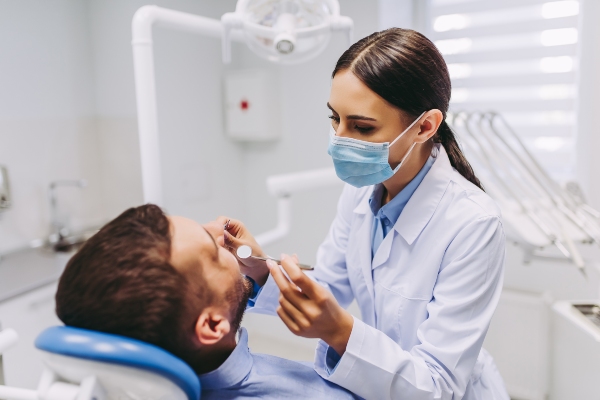
The first step in full mouth reconstruction is a comprehensive dental exam. The dentist reviews the teeth, gums, jaw joints, bite alignment, existing dental work, and any areas of discomfort or damage. X-rays, digital scans, photographs, and other diagnostic tools may help create a clearer picture of the patient’s oral health.
This appointment also gives the patient time to discuss concerns, goals, and priorities. Some patients want to chew more comfortably, while others want to improve the appearance of worn, missing, or damaged teeth. The dentist uses this information to build a plan that addresses both function and appearance in a logical order.
Building a personalized treatment plan
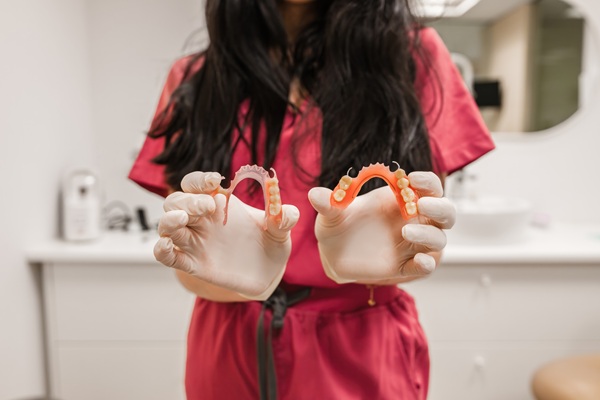
A full mouth reconstruction plan may include several treatments, depending on the condition of the mouth. Some patients need periodontal care before restorative treatment can begin. Others may need extractions, dental implants, crowns, bridges, dentures, veneers, or bite adjustments.
The dentist will usually explain which concerns need attention first and which treatments can wait. For example, gum inflammation or active infection may need treatment before we place permanent restorations. This step-by-step approach helps create a stronger foundation for long-term results.
Addressing health concerns first
Before rebuilding the smile, the dentist often focuses on controlling disease, infection, or instability. This may include treating cavities, managing gum disease, removing unsavable teeth, or replacing failing dental work. These early steps help reduce discomfort and prepare the mouth for restorative care.
Patients may also need temporary restorations during this phase. Temporary crowns, bridges, or dentures can protect teeth, improve appearance, and help the patient function while waiting for the final restorations. This stage helps the dentist assess bite comfort and make adjustments before proceeding.
Restoring function and bite support
A major goal of full mouth reconstruction is to help the teeth, muscles, and jaw work together more comfortably. Missing teeth, worn teeth, uneven chewing surfaces, or old restorations can place extra pressure on certain areas. Over time, this can contribute to sensitivity, jaw discomfort, tooth fractures, or difficulty chewing.
Restorative treatments help rebuild the bite and distribute pressure more evenly. Crowns can strengthen damaged teeth, bridges can replace missing teeth, and dental implants can provide stable support for replacement teeth. When the bite functions properly, patients may find it easier to eat, speak, and maintain daily oral hygiene.
Improving the appearance of the smile
Full mouth reconstruction often includes cosmetic improvements, but appearance is only one part of the process. The dentist considers tooth color, shape, size, spacing, gumline balance, and how the smile fits the patient’s face. The goal is to create a result that looks natural while still supporting proper function.
Treatment may include tooth-colored crowns, veneers, bonding, gum contouring, or implant-supported restorations. Each option depends on the patient’s needs and the amount of healthy tooth structure available. A thoughtful plan can improve the smile without ignoring the health and stability of the bite.
Moving through treatment in phases
Full-mouth reconstruction is usually performed in phases rather than in a single appointment. This allows the dentist to monitor healing, make adjustments, and confirm that each step supports the next. A phased approach can also help patients plan for time, comfort, and financial considerations.
Some patients complete treatment over several months, while others may need a longer timeline. The schedule depends on the number of procedures, healing time, and whether dental implants or gum therapy are part of the plan. Clear communication throughout the process helps patients know what to expect at each appointment.
Maintaining results after treatment
After full mouth reconstruction, ongoing care helps protect the investment in the new smile. Regular dental visits allow the dentist to check restorations, monitor the bite, and catch small concerns early. Professional cleanings also help protect the gums and the edges of crowns, bridges, or implant restorations.
At home, patients should brush, floss, and follow any specific care instructions from the dentist. Some patients may benefit from a night guard if they clench or grind their teeth. With consistent maintenance, reconstructed smiles can continue to provide comfort, function, and confidence for years.
Supporting a healthier smile through full mouth reconstruction
Full mouth reconstruction is a personalized process that helps restore oral health when multiple concerns affect the teeth, gums, bite, or smile. Each stage supports the next, from the first evaluation to the final restorations and long-term maintenance. With a clear plan and steady care, patients can move through treatment with greater confidence and work toward a healthier, more functional smile. For more information or to schedule an appointment, call our office.
To schedule a consultation, please request an appointment on our website at https://brimhalldentalgroup.com or call Brimhall Dental Group at (661) 249-1122 to arrange an appointment at our Bakersfield office.
Check out what others are saying about our dental services on Yelp: Full Mouth Reconstruction in Bakersfield, CA.
Recent Posts
Cosmetic dental services can help restore the aesthetics of damaged teeth. Tooth decay is the number one reason that people seek the services of a dentist. Decay is caused by acids made by oral bacteria destroying teeth structures.The decay starts with the most affected part of the tooth being demineralized. Then, small holes called cavities…
To learn more about cosmetic dentistry and how cosmetic improvements can better your smile, visit us at our office. If you are interested in the benefits of cosmetic dentistry, you are probably unhappy with one or more aspects of your teeth. We can provide changes, big or small, to enhance your smile, making it the…
Cosmetic dentists provide a wide range of procedures designed to improve the appearance of the teeth and surrounding structures. Many individuals seeking a brighter, straighter, or more youthful smile often turn to cosmetic dentistry to achieve their desired results. However, the lifespan of cosmetic dental treatments depends on several factors, including the type of procedure,…
Working with a cosmetic dentist can transform both the appearance of your smile and your confidence in it. However, these services go beyond simply improving the aesthetics of your teeth. Cosmetic dentists also offer services that can help enhance your long-term oral health and boost your self-esteem.A cosmetic dentist specializes in procedures that improve the…